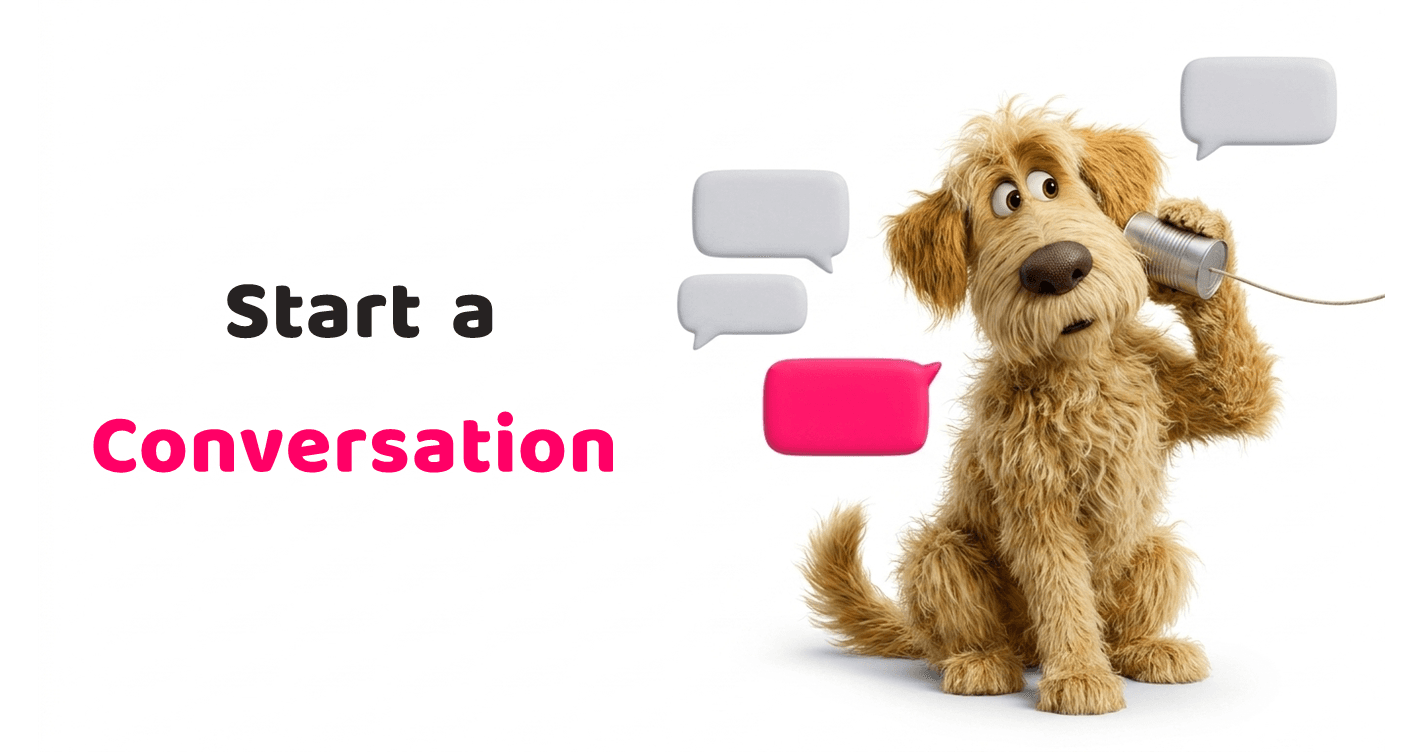
Scroll through most brand feeds and you will find no shortage of content. Product announcements, promotional graphics, links, corporate updates, campaign assets. The calendar is full and the schedule is running. The brand looks active.
What is usually missing is conversation.
Many businesses have quietly turned social media into another broadcasting channel, an extension of the website or the company newsroom. They post, but rarely respond. They announce, but seldom ask. They measure impressions, while overlooking the people leaving questions beneath the content. In other words, they use social media without being social.
The clue is in the word
Social platforms were never valuable simply because they let organisations publish online. Websites, blogs and email already did that. What made them different was interaction. For the first time, a customer could reply to a brand in the same space where the brand had made its claim, and everyone else could watch how it responded.
That dynamic has not gone away. Audiences still expect a reply, and they notice when it does not come. A clever post followed by silence is an experience. So is a generic automated response. So is a thoughtful answer that solves a problem. Every reply, and every conspicuous absence of one, says something about the brand.
How brands fall into the broadcasting trap
It is not hard to see how this happens. Publishing is easy to organise. A team can plan a calendar, set deadlines, schedule posts and report how many went live. These are tidy, visible outputs.
Conversation is less predictable. It asks someone to read the comments, understand context, exercise judgement and reply like a person. It might surface a complaint or lead somewhere the plan did not anticipate. It cannot be approved three weeks in advance.
So most social operations are built around production rather than participation. The message is decided, turned into a post, published everywhere and measured for reach, then left behind as the team moves to the next item. What is missing is an equally deliberate process for listening and responding. Who reads the comments? Who answers the questions? Where do those observations go?
Three forces tend to keep brands stuck here:
- Volume is easier to report. Counting posts looks like productivity, even when the content produces little response.
- Teams are rewarded for output. When targets reward frequency, consistency gets mistaken for effectiveness.
- Unscripted conversation feels risky. A scheduled post can be approved in advance; a live reply cannot, so brands over-control and end up sounding distant.
Reach gets attention. Interaction earns trust.
Publishing and interaction are often discussed as rivals. In practice they do different jobs. Publishing makes a brand visible. Interaction gives people a reason to care that it is visible.
A useful article may bring someone to your page. A helpful reply, an acknowledged suggestion or a shared customer story is what makes them stay. Audiences do not experience your feed as a tidy sequence of campaigns. They experience individual moments, and each one becomes a small piece of evidence about whether you are attentive, useful and worth remembering.
That is why community management is not administrative work performed after the real content is out. It is a customer-facing function, and one of the richest sources of market intelligence a business has.
None of this means posting less. It means remembering why the audience is there in the first place. They did not follow a broadcast. They came for a brand that might actually talk back.
A full content calendar makes a brand look busy. A responsive presence makes it feel alive.
Karbon Copy is a bilingual copywriting and communications agency in Hong Kong. We write social copy that starts conversations, not just fills a feed. Start a conversation on WhatsApp at +852 9854 1689.